MAY 2023
Havana – Cienfuegos – Trinidad – Sancti Spiritus – Canaguey – Byamo – Holguin – Guardalavaca – Holguin – Santiago De Cuba – Baracoa – Santiago de Cuba
This was our second trip to Cuba. We spent 12 days there in 2018 and loved it so much that we left with a taste for more. (See my earlier blog Unlimited Mojitos -12 days in Cuba).
Unfortunately, this time Cuba was not the same. The locals refer to the current situation as a “perfects storm.” First, The Trump’s administration draconian sanctions, then Covid, then the war in Ukraine plus Venezuela’s cutting Cuba off the gasoline imports. As a result, tourism came to a halt, gasoline shortages resulted in severe rationing and high prices and food shortages are causing people to scramble for food. Once a day, lights are turned off for several hours in each city to save on electricity and it is hard to be without AC in such an oppressive heat. Many Cubans experience total despair and many chose to leave the country.
Nevertheless, I still recommend traveling there. This is a beautiful country with great beaches, extremely nice and accommodating people and it’s very cheap for tourists. We spent between $12 to $30 for rooms at casas particulars (private rooms or apartment rentals), the most expensive apartment ($30) was in Havana. All rooms/apartments were air conditioned with private bathroom and hot water. Our meals were around $20 for two with the exception of couple of upscale restaurants in Havana that came up to around $50, including alcohol and tips for two.
Tourists’ money really helps the Cuban people!!! Unfortunately, if you are a US citizen you cannot travel freely to Cuba due to the US government’s restrictions. You must qualify under one of the 12 specific categories. See https://cu.usembassy.gov/u-s-citizen-services/local-resources-of-u-s-citizens/traveling-to-cuba.
There were some improvements since our previous trip. First, and most important, is the easy access to internet. You can buy a local sim card which was not available in previous years. A caveat: you can theoretically buy one in ETECSA (government telecommunications) stores, but they are never available. But no worries, right outside the store there is “a guy who knows a guy” who has a supply. They will ask for $50 but you can bargain down to $30 or $35 for about 12 GB. Topping up is done at the ETECSA store and it’s easy and cheap, only couple of dollars for another 5 GB.
The second improvement is money exchange. In the past you had to go to an official money exchange place that would take a huge commission on dollars and Euros. These days, the locals want dollars because they can buy goods in special stores for dollars or Euros. Exchanges are easily done on a street anywhere. First, I was skeptical to change money on a street but our casas’ hosts said its fine. Official exchange is 110 pesos for a dollar and on a street you can get between 180 to 200 pesos per dollar. Another important point is to have lots of small bills because Cubans prefer to get paid in Dollars or Euros but cannot always make change easily.
We also learned that travel by collectivos (collective taxis in big old cars) as we have previously done, is extremely expensive because, a) there are no tourists to share the rides with and b) the gasoline is prohibitively expensive. Therefore, I had to figure out how to get bus tickets for Viazul, the only bus company that is allowed to sell tickets to foreigners. First, we tried the bus station, but their computers were constantly down and we didn’t get the most accurate information about the bus schedule. I must admit, it took me several hours to figure out how to buy tickets online. You must register on the Viazul website: https://viazul.wetransp.com, and to create an account using a non Cuban VPN. To my surprise, I could use my US credit card despite the sanctions. I strongly recommend creating a Viazul account before traveling to Cuba. It took me a long time to input my info since the internet was getting constantly dropped and the information was not retaining so I had to input the same over and over again which was extremely frustrating, but once it was done booking tickets were very easy to purchase.
Moreover, Viazul buses are very comfortable and air conditioned. Depending on a time of day they stop for breakfast, lunch and dinner at restaurants and cafes on the way. The drivers also know some good spots to stop where you can get produce from local farmers and thus help to support the local people.
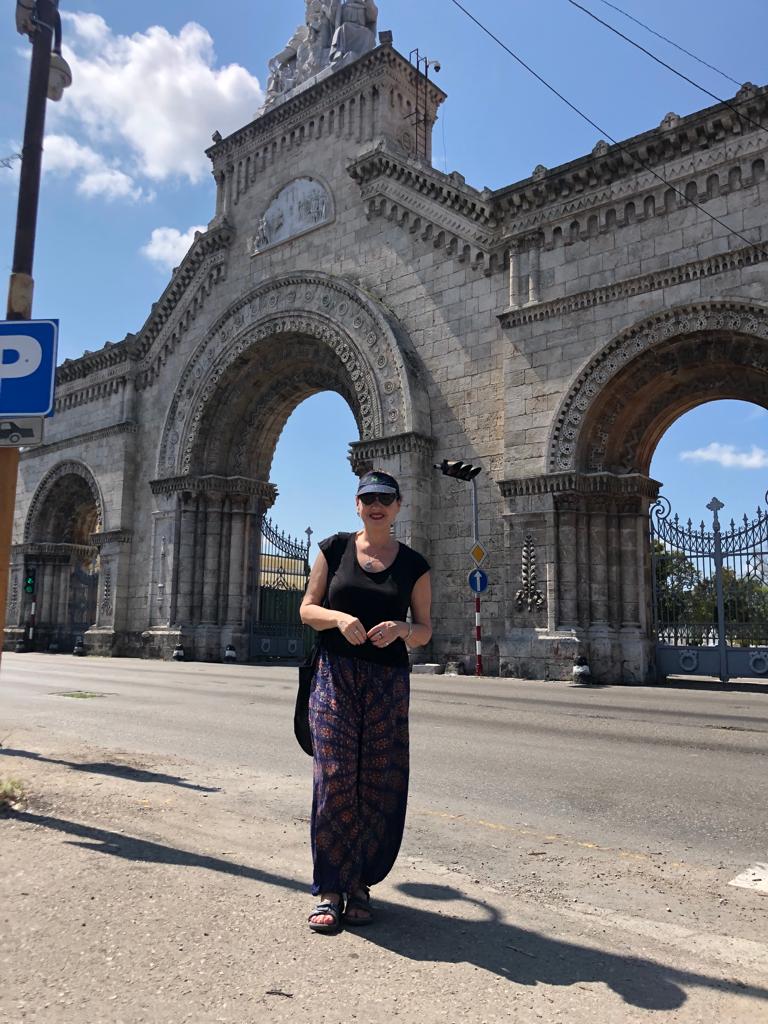
We spent two full days in Havana. We took a free walking tour to get reacquainted with the city and visited the Necropolis Cristobal Colon, a very impressive cemetery on the level of the cemetery in Buenos Aires. I am not sure why it is named after Christopher Columbus, since he is not buried there… We slowly learned that many places we wanted to visit were closed or had limited working hours because it’s too expensive to maintain. For example, we didn’t get to see the Museum of Fine arts nor the Gran Synagoga Bet Shalom. We ended up just walking a lot in the areas of the city that we missed during the first visit. This time, we also got to see the most hideous building, the US embassy!

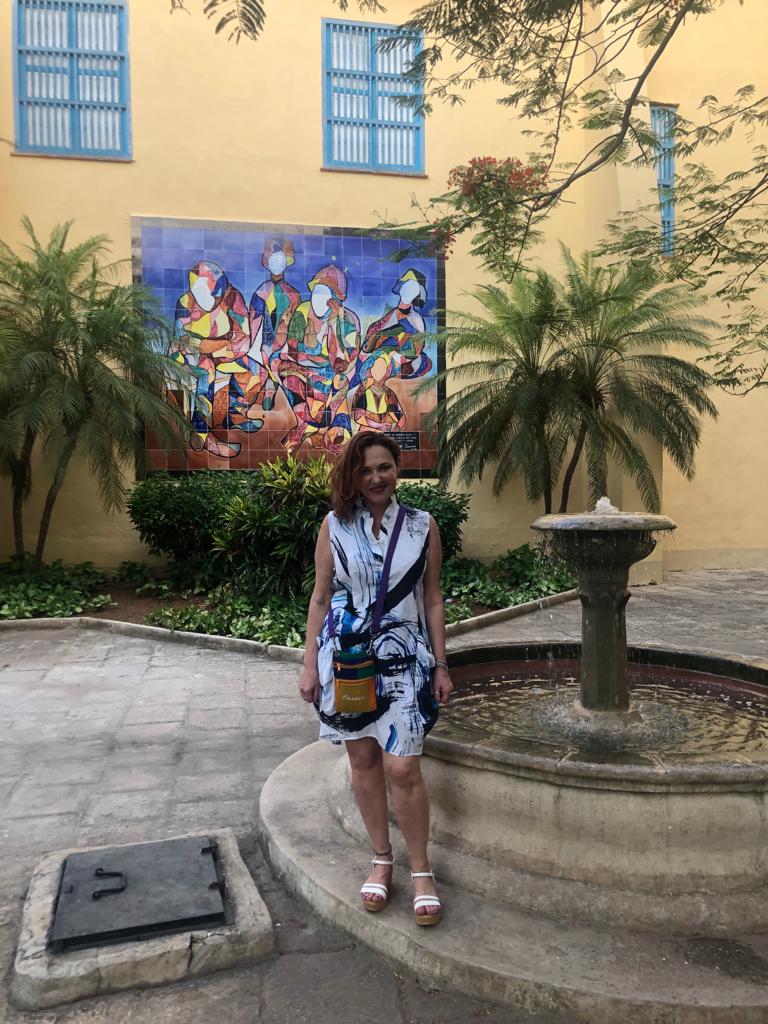

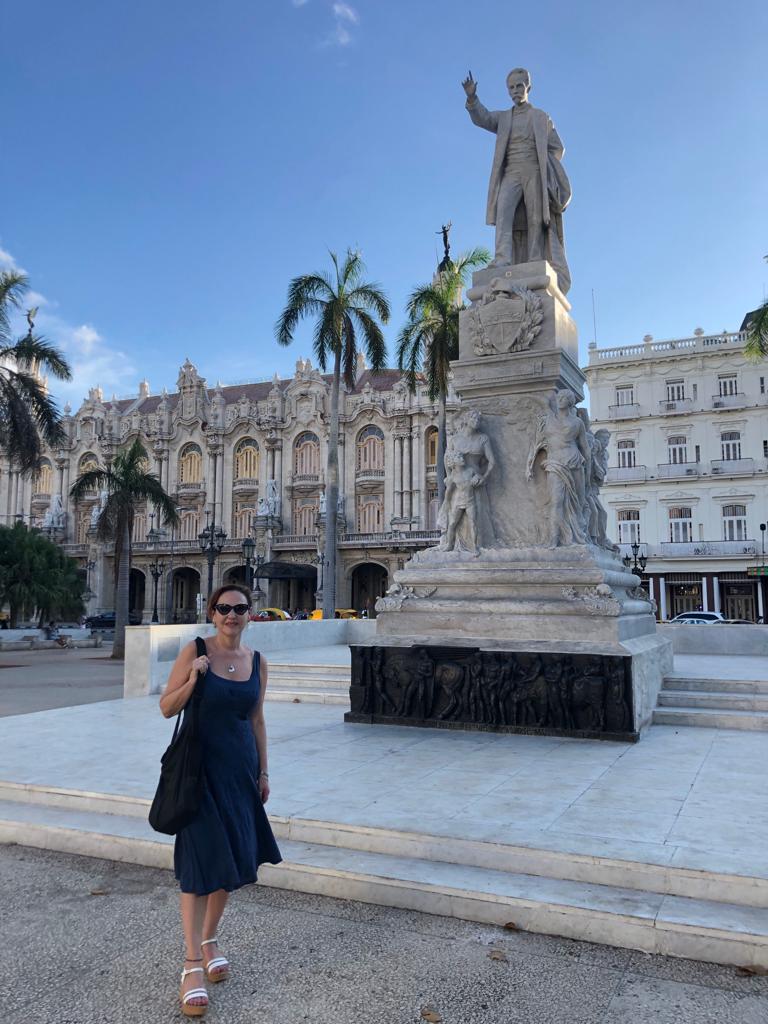
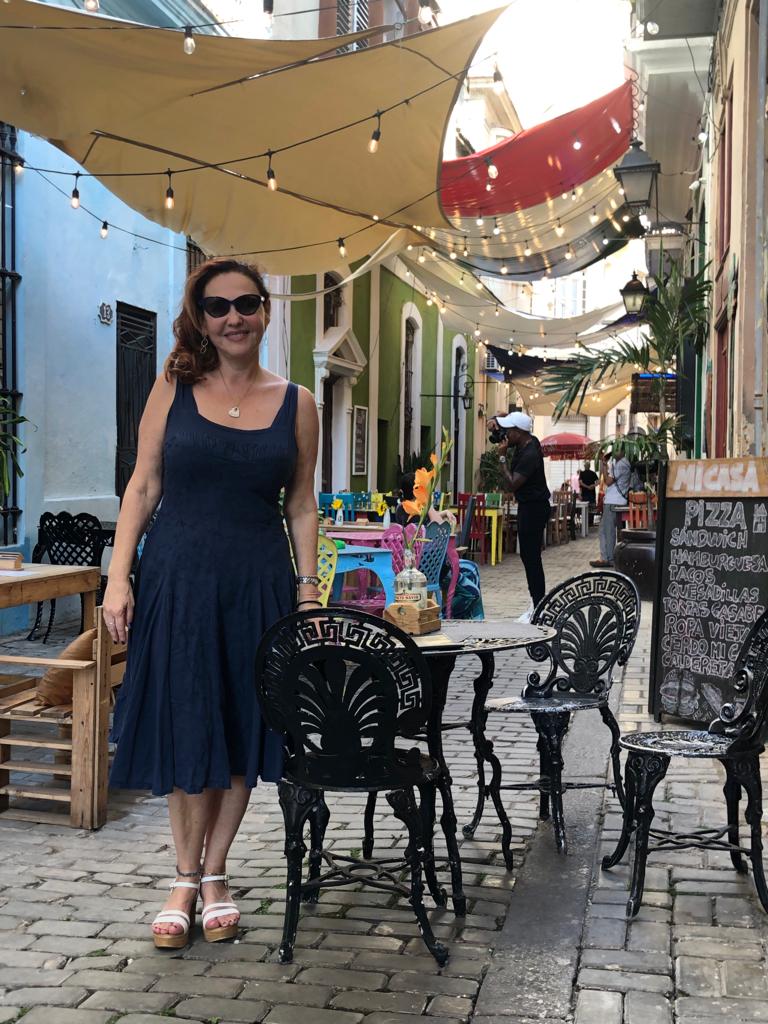
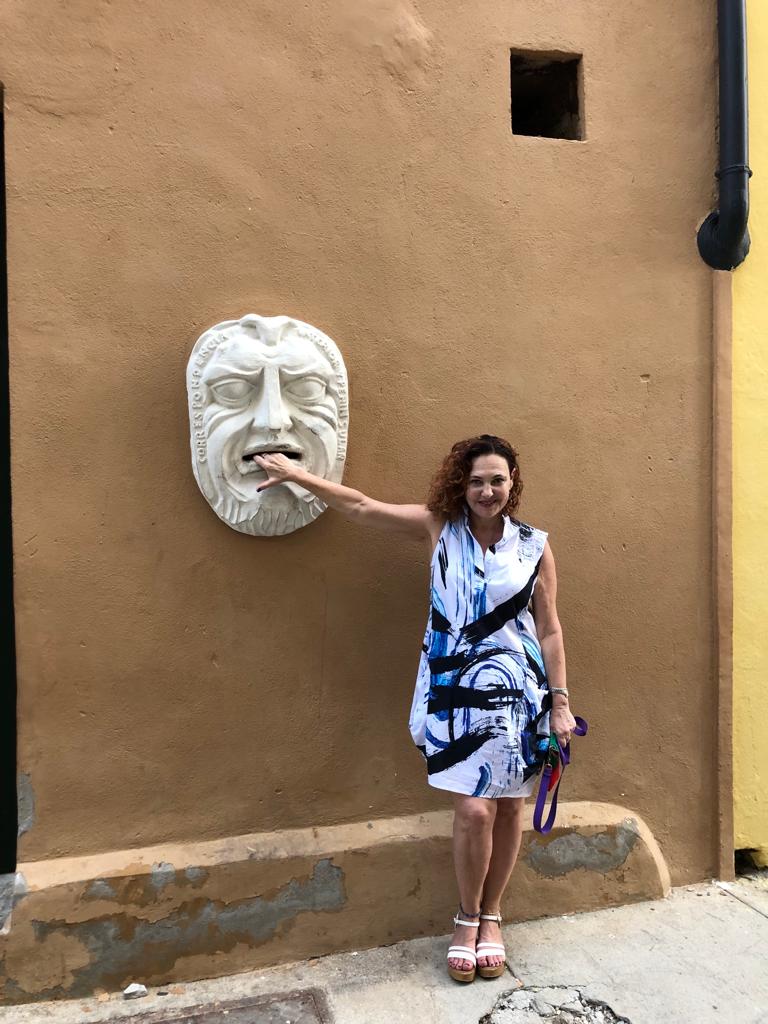
My recommendation for restaurants in Havana Vieja: Paladar Los Mercaderes, great food and live music and 5 Senses. For drinks: O’Reilly 304 and El Rum Rum, has live music. End of Agujar Street is a little alley, Callejon de los Peluqueros, with a cluster of restaurants good for breakfast or afternoon Mojitos.
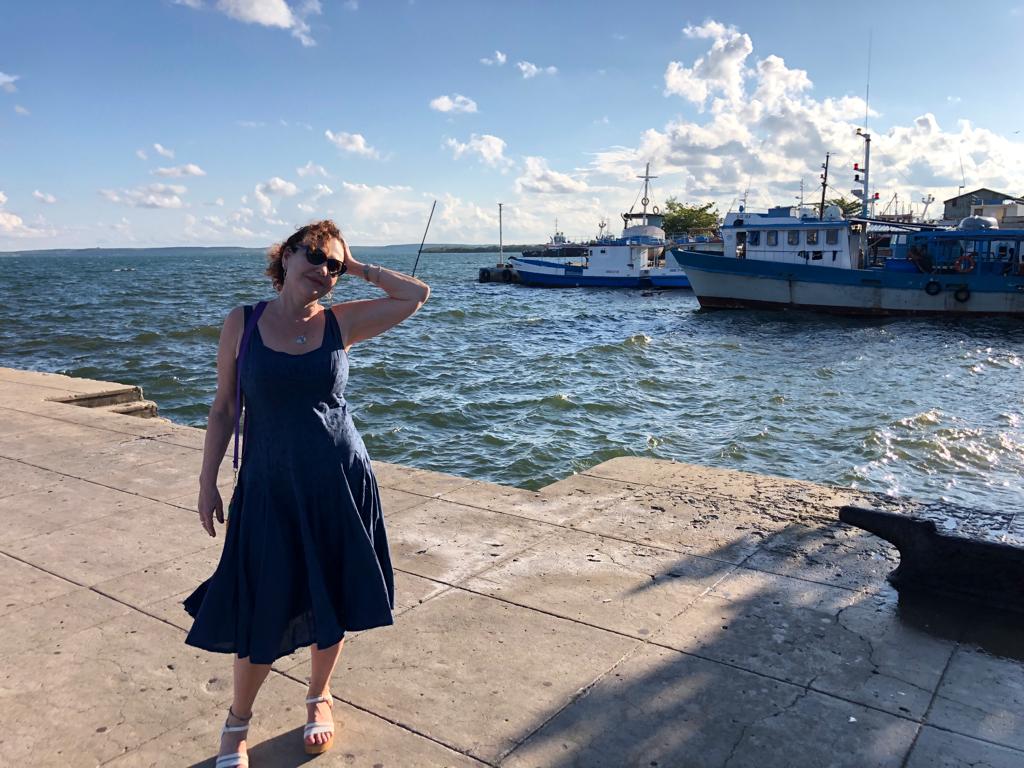
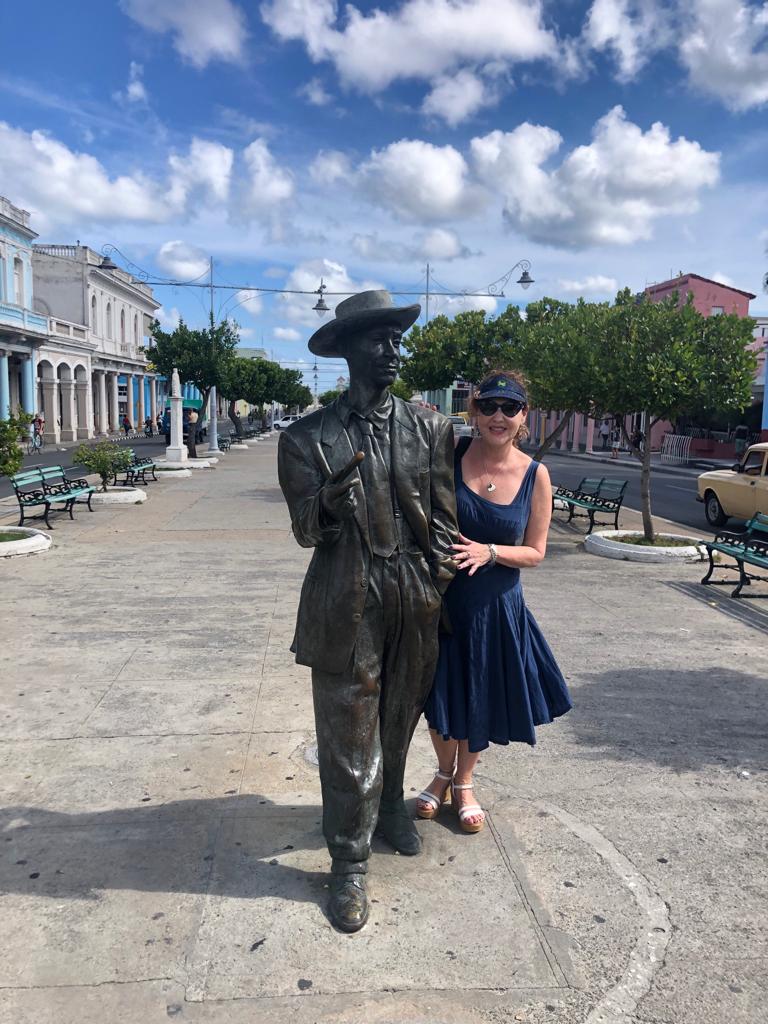
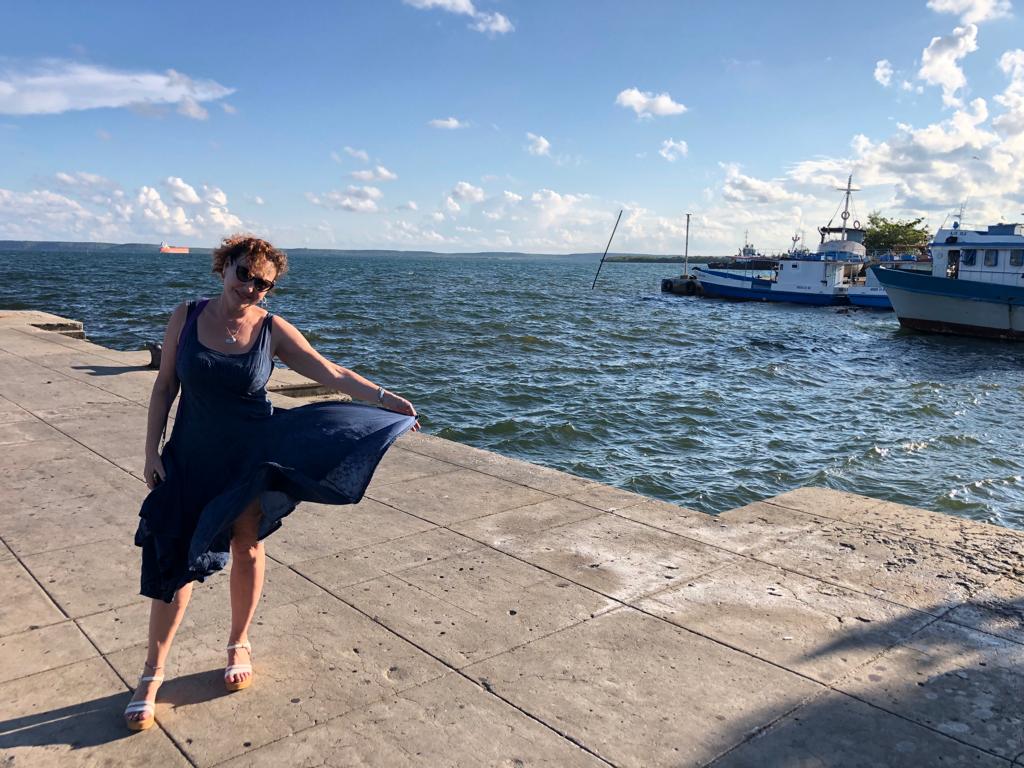
We spent 2 nights/one and a half day in Cienfuegos, which is considered to be the Paris of Cuba because it was founded by French immigrants from Louisiana. There were barely any tourists and it was very quiet. We took a free walking tour of the center and walked all the way down to Punta Gorda. The highlight was a day at Rancho Luna Beach. The beach and the water were great and we ate at the restaurant that gave us free beach chairs. The only way to get there and back is by taxi. It was somewhat challenging to find a taxi to get back but we made a deal with one of the locals at the village who drove us back.
We ate dinners at Paladar Ache and Café Paris. Both unremarkable, but the choices of restaurants were pretty scant.
Next our casa owner arranged for a transfer to Trinidad via El Nicho Park which we shared with a Spanish couple who also stayed in the same casa. El Nicho is definitely worth a visit. It was a great escape from an unbearable heat wave; it’s green and shady and has several waterfalls to swim in. Our driver also recommended a local affordable restaurant for lunch which we shared with our co-travelers in the taxi.
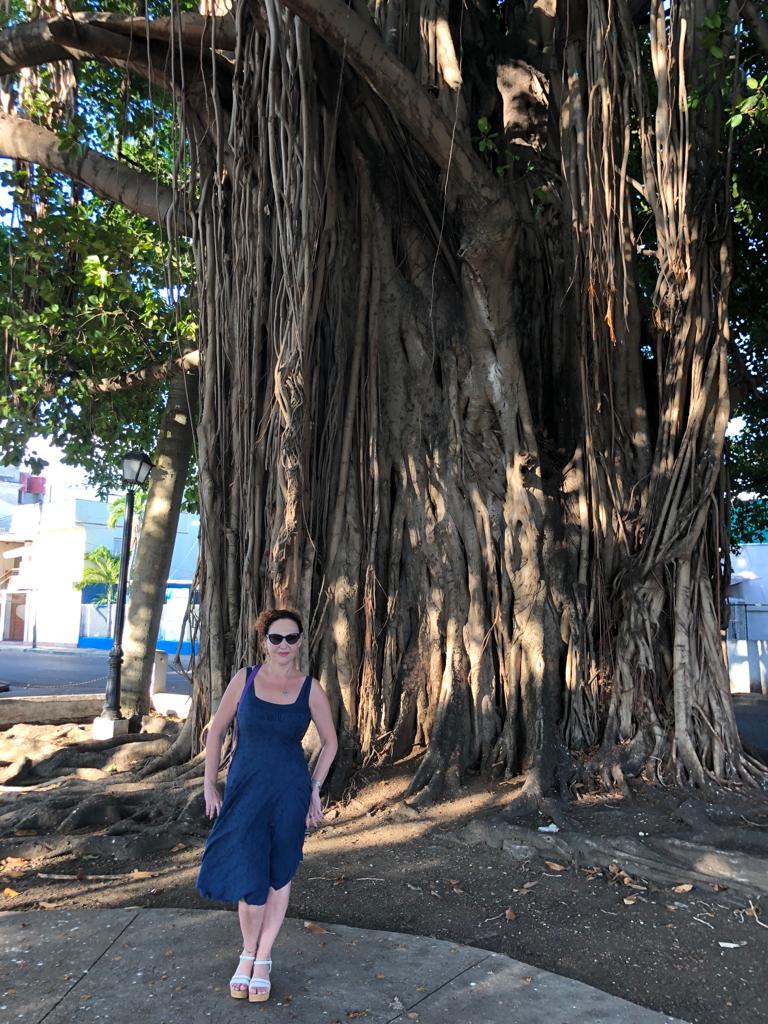
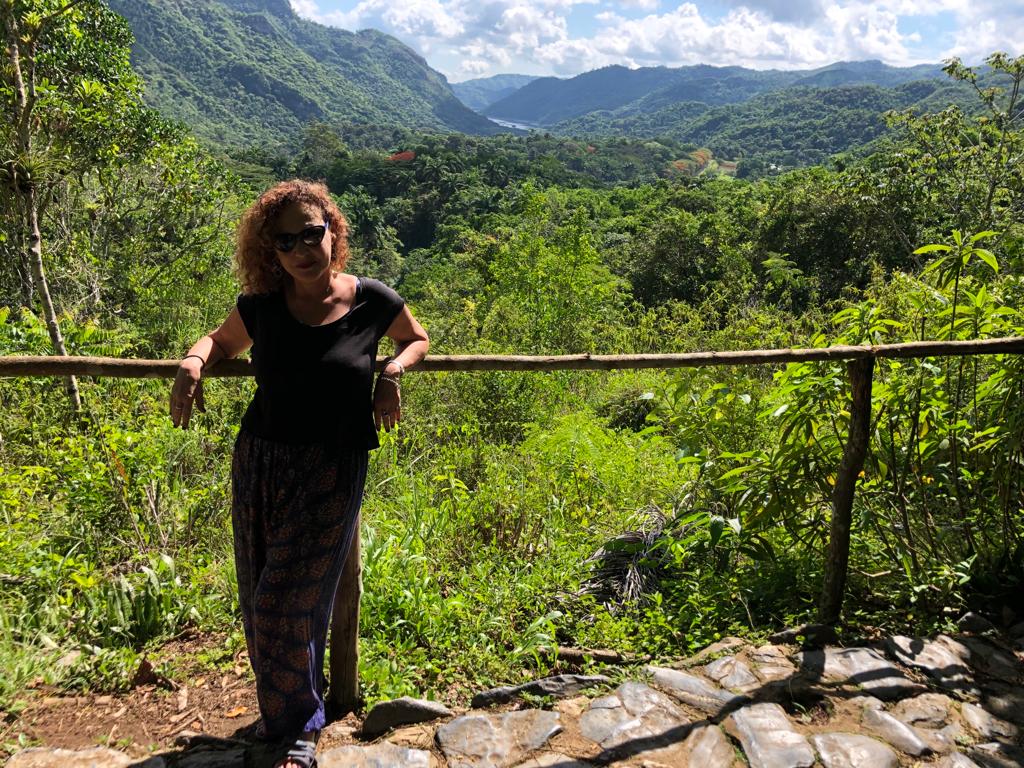
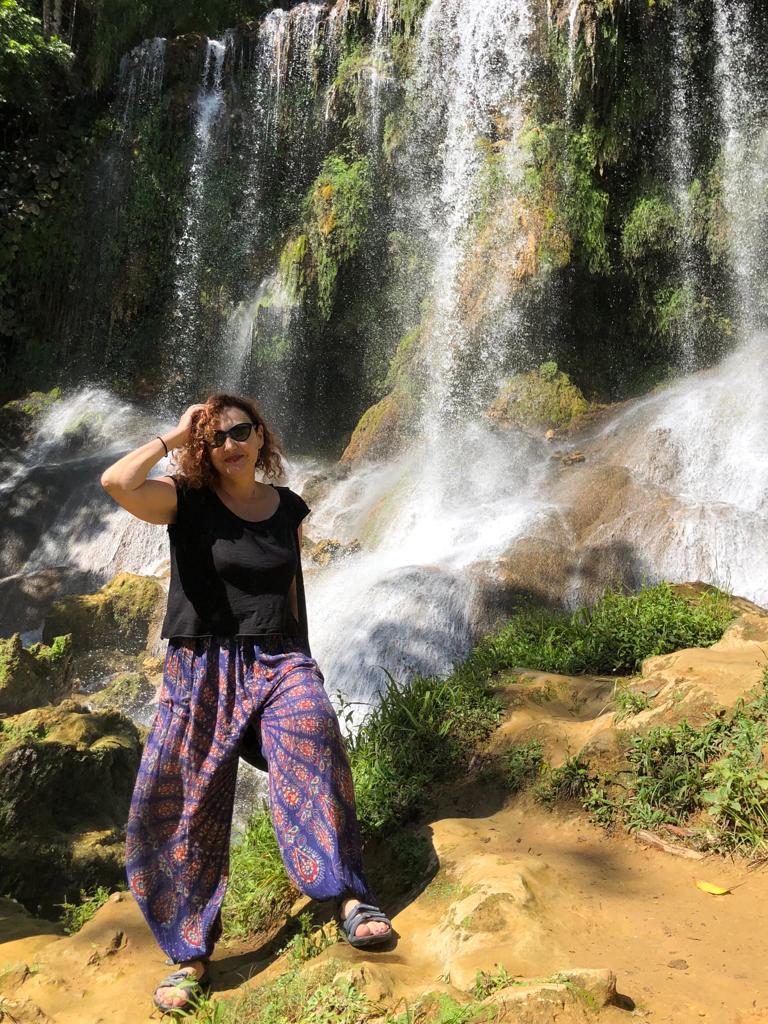
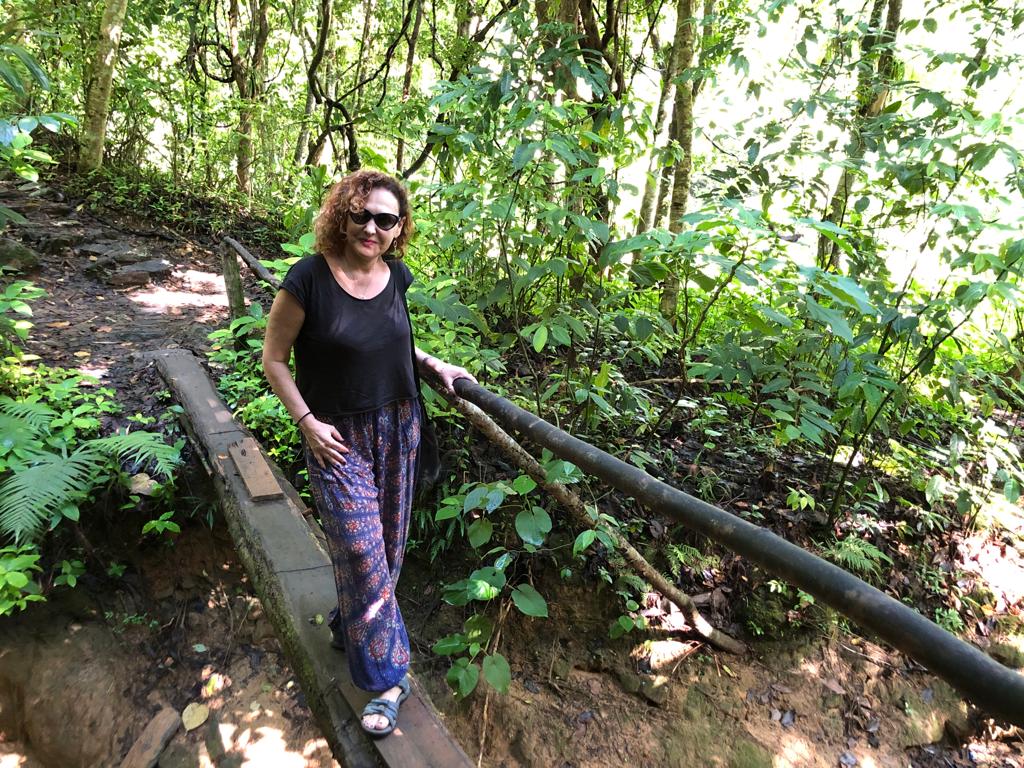
We spend one night in Trinidad City which we remembered fondly from our previous trip. Again, it was fun but not the same as before. Many places were closed but we managed to hit three spots with live music and I got to dance salsa with the locals at Casa de la Musica. There is a live music at 10 pm and disc jockey playing salsa till wee hours in the morning.
The next day we planned to continue to Camaguey but it turned out to be our most challenging day yet. This was before I figured out the Viazul bus. There were no collectivos to Camaguey so the local taxi drivers suggested we go to Spiritus Sanctus first because it is a more central location and there is more traffic going west from there. However, once we arrived to Spiritus Sanctus there were no taxis, no buses, and no tourists whatsoever. The city looked completely abandoned and dead. We spent the whole day trying to catch a taxi or find a way to get out. Finally we got a room in the only open hotel in town and left on a bus at 5 am the next day. From there on, we only relied on buses and had no more problems moving from city to city.
Our next stop was Canaguey where we spent one day and one night mainly marked by a non- stop afternoon rain. The notable Casa de Arte Jover was closed but farther east around Plaza del Carmen Martha Jimenez Perez Gallery was open and is worth a visit. She is the most famous living Cuban artist who lives and works there. Plaza Carmen also features some of her famous chismosas (gossipers) statutes. The rest of the afternoon we spent at the apartment with no lights or ac while a storm was pounding outside. During a brief repose we ran to 1800, the most upscale restaurant in town where we spent $17 on two mains and lots of drinks. The city was pretty much dead by 7 pm.
The following day we spent in Bayamo, a visibly wealthier town then the previous two with an abundance of street art. Bayamo is located in Granma Province, named after the boat in which Fidel Castro returned to Cuba from Mexico to start the guerilla war that ultimately lead to the Revolution. Bayamo is also a birth place of Carlos Manuel de Cespedes, the forefather of the first Cuban Independence and this is also where Jose Marti, Cuban’s revered poet, died. So, needless to say, Bayamo is very much about the history of Cuban revolution and independence. We didn’t do much walking because of the constant rain, but we ate at fabulous restaurant San Salvador de Bayamo at had drinks at “Piano Bar”. Ironically, there was no piano but good old fashioned music clips from the 70s and the 80s. There is also a Havana Club bar serving exclusively rum where we spend several hours the next day awaiting our bus to Holguin.
We only spend one night in Holguin as a stop on the way to Guardalavaca beach and one more night on the way back. Holguin is a more happening town then Bayamo with several large squares. There is a cluster of outdoor cafes around Plaza de la Marqueta with a cacophony of blasting music full of locals hanging out. We ate at 1910, a nice restaurant with lots of seafood options. Again two mains with lots of cocktails came up to $17 for two…and at Restaurant Bar San Jose, a very basic local hangout with cheap and tasty options of various grilled meats.
While in Bayamo, we booked Brisas Resort at the Guardalavaca Beach at Cubanacan travel agency, the assistance of Daniel who was extremely helpful. This was actually the first functioning travel agency that we saw so far; all others were either closed or just had nothing to offer. One note regarding a transfer to Guardalavaca: everybody was telling us that the only way to get there is by private taxi for $50 or more. All the locals were claiming that there are collectivos but they are for Cubans only. So this is not true: There is a collectivo departure point at a place called 18 Platas with lots of collectivos departing in all directions and they will take anybody who wants to go. A price to Guardalavaca is 1,000 pesos per person, roughly $5. For one more dollar the driver took us directly to the resort.
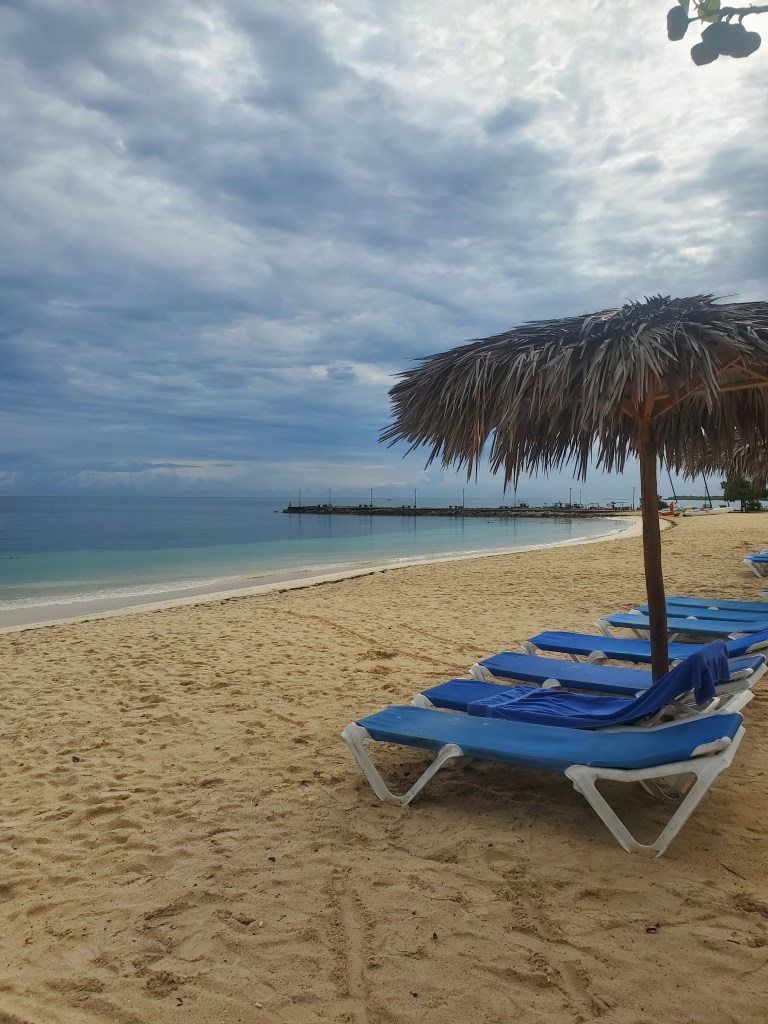
We don’t usually do all inclusive resorts but decided that it would be a nice break from all the bus travel to relax on a beach. I also did not see any casas that offered rentals so we decided to go to a resort. Brisas is considered a four star resort and has better reviews than others in Guardalavaca. Our room was spacious facing the beach, with large bathroom, a/c and a terrace. The beach was fabulous and the pool was nice. The food was mediocre but totally understandable given food shortages but the free drinks were not good unless it’s a beer or straight up liquor. There was live music nightly. Overall it was a nice break and given a price of $99 per night for two, I say totally worth it.
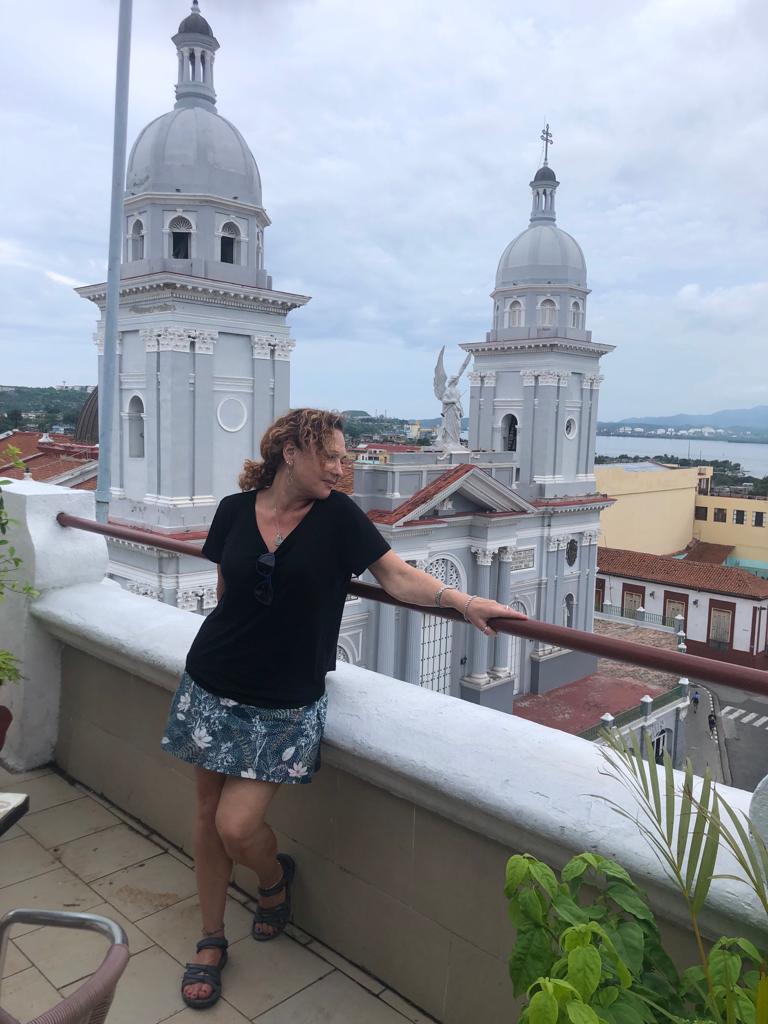
We spent two nights in Santiago de Cuba, the eastern capital. I was expecting wild night life with Afro-Cuban beats to be heard all over town but was extremely disappointed. There were barely any tourists in town; most restaurants and bars were closed and we barely found places to eat.
The highlight was a Guru Walk we took with Jose Michel, who spent several hours with us taking us all over the city, went into museums and the rum factory. He spoke good English and his tour was extremely informative and made us more understanding of Cuban History. We ate dinner at Sabor Cubano, the only open place we found (good view and decent food). In the evening we tried Casa de Trova but the place was dead and the music stopped at 10 pm. I also really wanted to see Tumba Francesa[i], the local dancing style, but it was also closed.
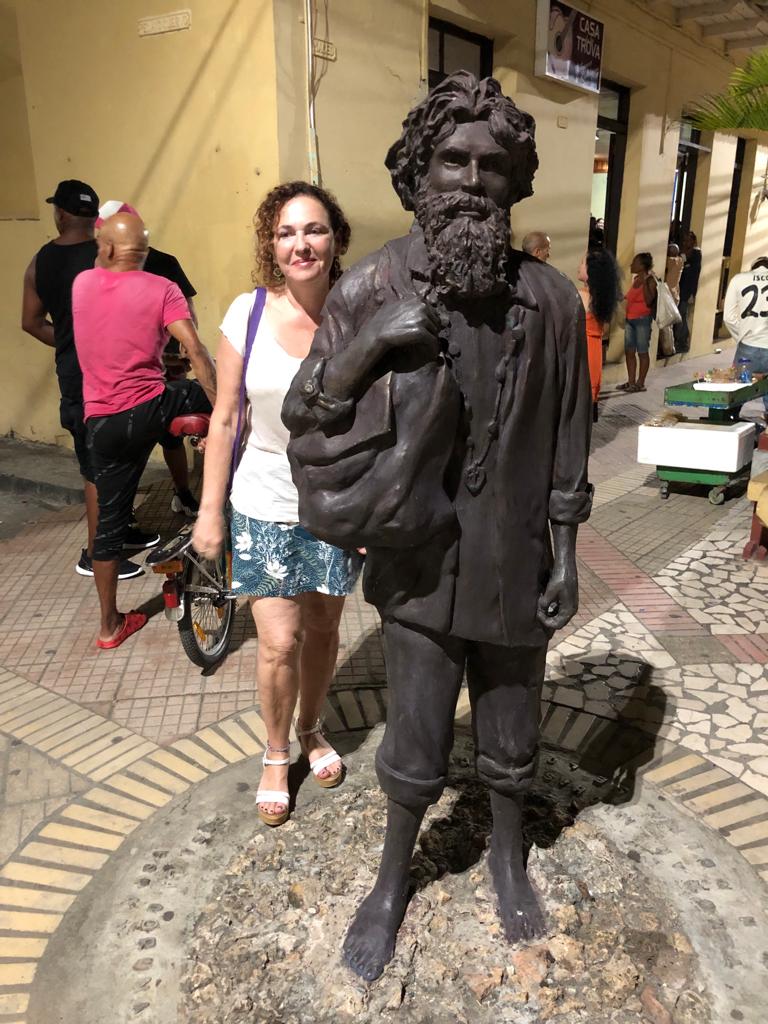
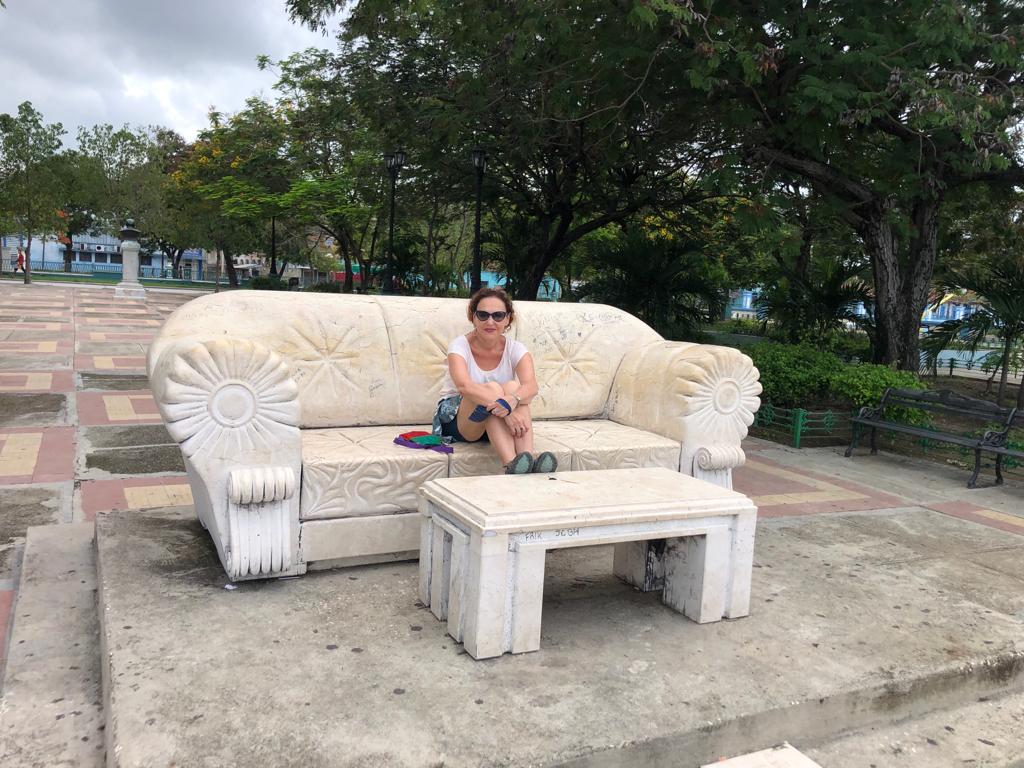
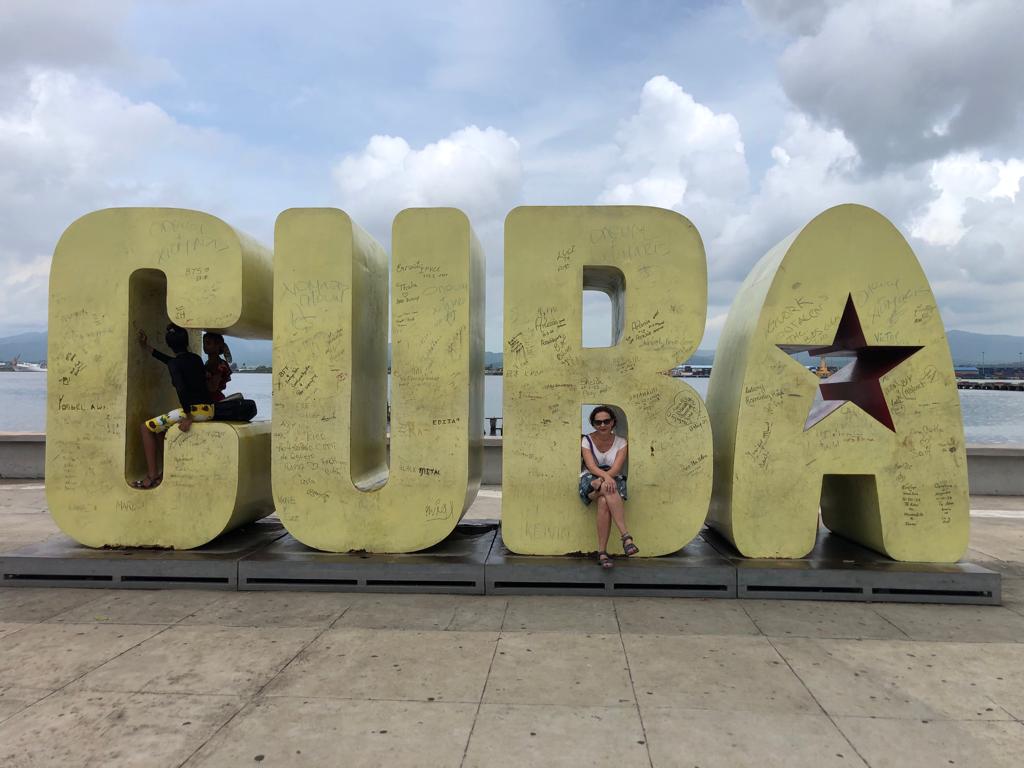
The last four days we spend in Baracoa, on the very eastern side of the island. The bus ride takes over five hours, but totally worth the effort. Baracoa was the highlight and the best ending to our trip. It’s a small village that does not look like much during the day, but as you get to know it better, it reveals itself as fun place. Nightly music is played at Casa de la Trova and well dressed locals gather inside and outside the building, drinking and dancing. The center is tiny but has several bars with outdoor seating where you can see and listen to local musicians. There are several decent restaurants open all around the village and there is even one ice cream parlor. There is also Casa de Cacao, where you can get a cup of cold or hot chocolate. On Saturday night there was even a discotheque.
We took a private tour with a driver and a guide to Boca de Yumari, Yumari River Canyon, where we swam in refreshingly cold river, ate lunch at a local village in someone’s private house, visited a cocoa plantation, and learned everything there is to know about making chocolate and spent some time at the beach for the price of $40/pp for the whole excursion.
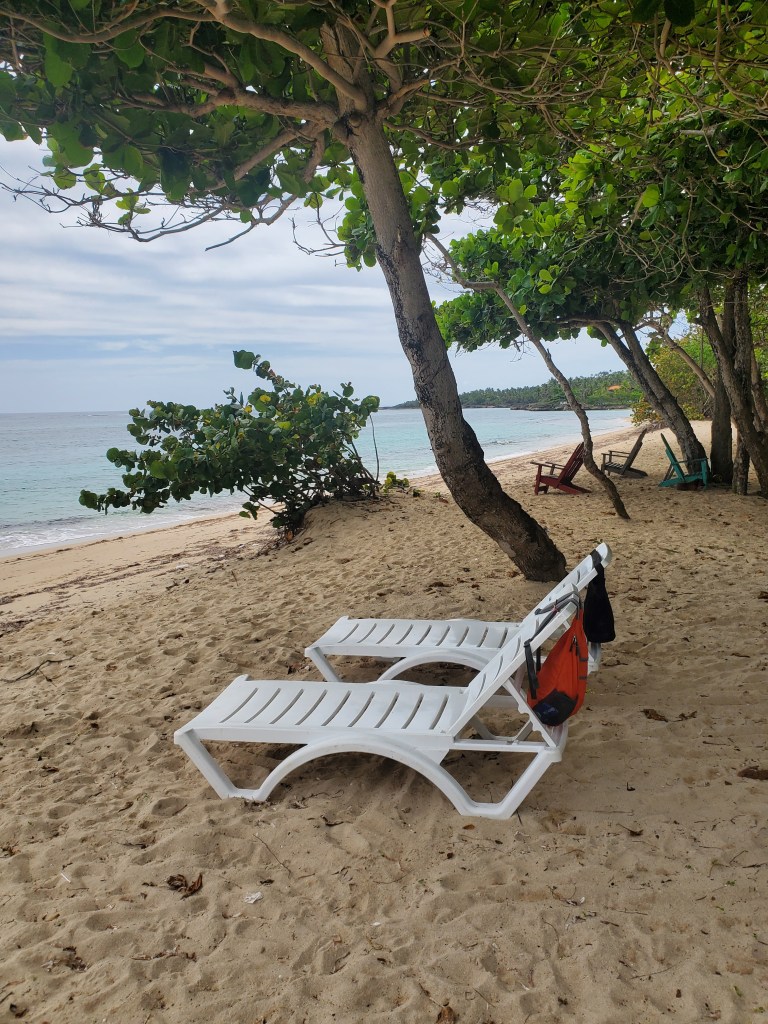
The next day, we got a taxi to Maguana beach, about 40 minutes from Baracoa. The taxi driver brought us to a practically secluded beach with great local restaurant where we stayed the entire day swimming and drinking the best Mojitos I ever tasted made with fresh passion fruit. We loved it so much that we repeated the entire experience the next day.
Our flight home was from Santiago de Cuba. You should spend all your pesos ahead of time because you cannot use them at the airport. It’s all dollars or Euros.
If you are an adventurous and not a high maintenance traveler, I totally recommend this trip.
 Sonia's Travel Blog
Thanks Sonia, great overview! The next best thing to being there. One quick question. How and why does the war in Ukraine affect the lives of Cubans.
LikeLike
grain = b
read, there is no bread now
LikeLike
Thank you Sonia,
Great story,
Do you think 3 weeks vacation is enough for entire island?
LikeLike
wow!
LikeLike
Very informative post, really good advice. Before Cuba’s permanent economic crisis worsened, I was lucky enough to cover most of the same route from Havana to Santiago and return in a hire car in two weeks. It’s not always easy, like finding something to eat, but there’s a great deal of authenticity everywhere and generally a good welcome from the locals, much more in casas particulares than in hotels though.
LikeLike
Thank you for your feedback
LikeLiked by 1 person
even with all those shortages i was still inspired by this story and can’t wait to go to cuba!
LikeLike